Review of Dog Collars
In this review I’m going to look at the types of dog collars rather than individual brands here. There are a number of brands that I have had a good experience with, and I have seen my friends work with many others. I have, over the years, accumulated a lot of information on the various types of collars which may well save you a lot of trouble.
The dog collar types I’d like to address are:
Regular collars
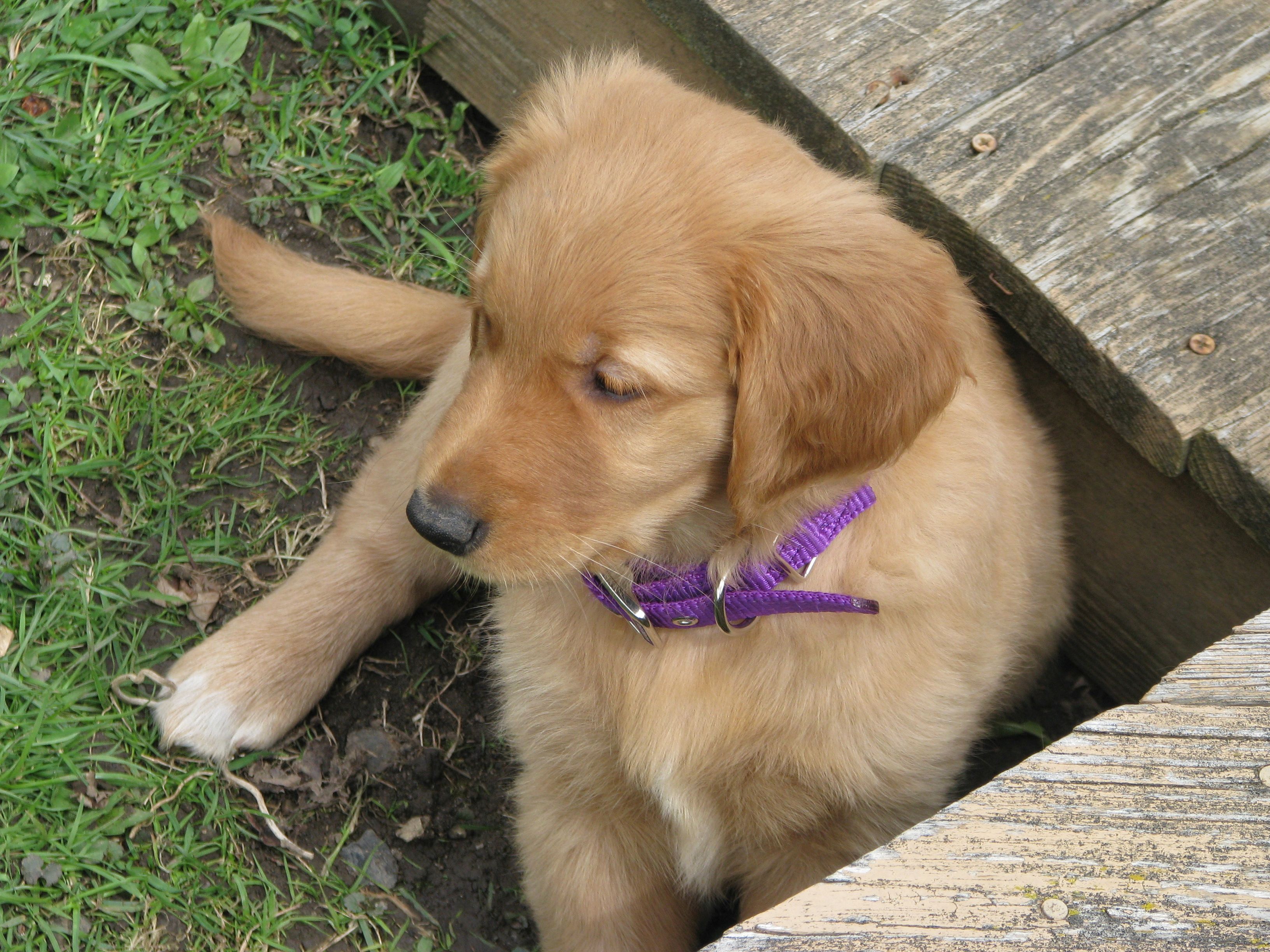
There is always a need for regular collars. They are not only decorative, they provide an area to hand identification tags. If your dog is lost, you surely will want multiple forms if identification so it’s easy to get him back. My dogs have always liked their collars.
They feel about them like we do about our jewelry and clothing. In fact, it gives them a bit of anxiety when I take my puppers collar off.
The training collars are different. I put them on for training purposes, and I don’t leave them on, so they don’t become part of my pups personal jewelry.
Choke Collars
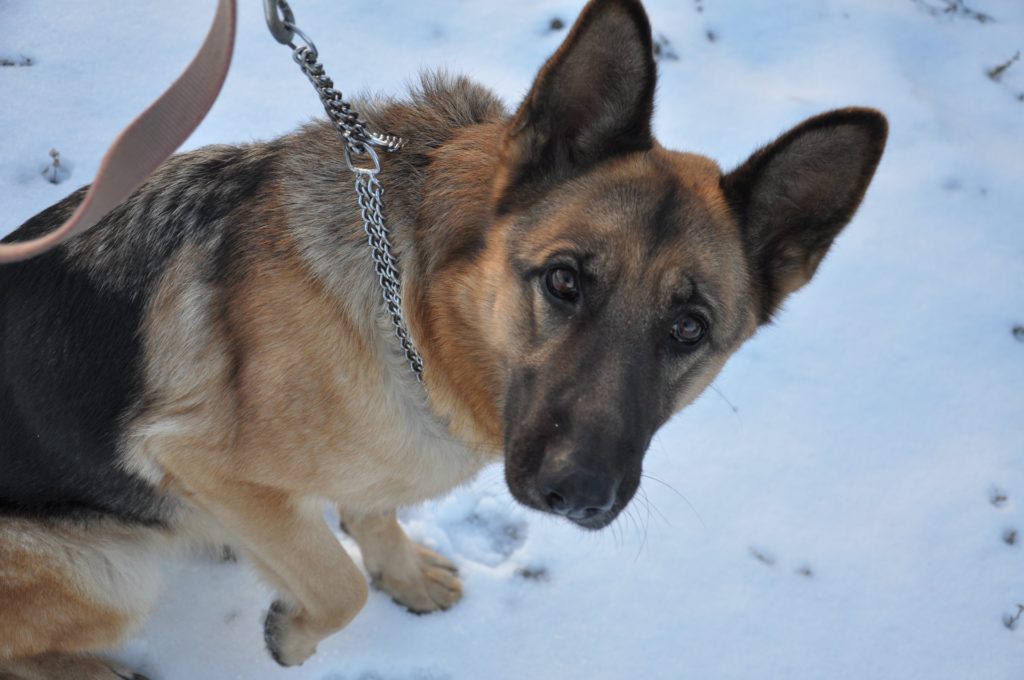
These are collars that constrict the dogs breathing if they pull. While they do better than a regular collar, I found that my dog would pull on it anyway until he was wheezing.
I purchased the collar with the recommendation of a trainer who’s class we were attending. In addition, I had my dog wear this collar when we took walks for a couple of months after the class ended, but I always felt uncomfortable when my pup pulled on it.
I would hold it up and she would enthusiastically put her head in, so I knew it wasn’t hurting so bad she didn’t want to take the walk, or have the training session.
Prong Collars
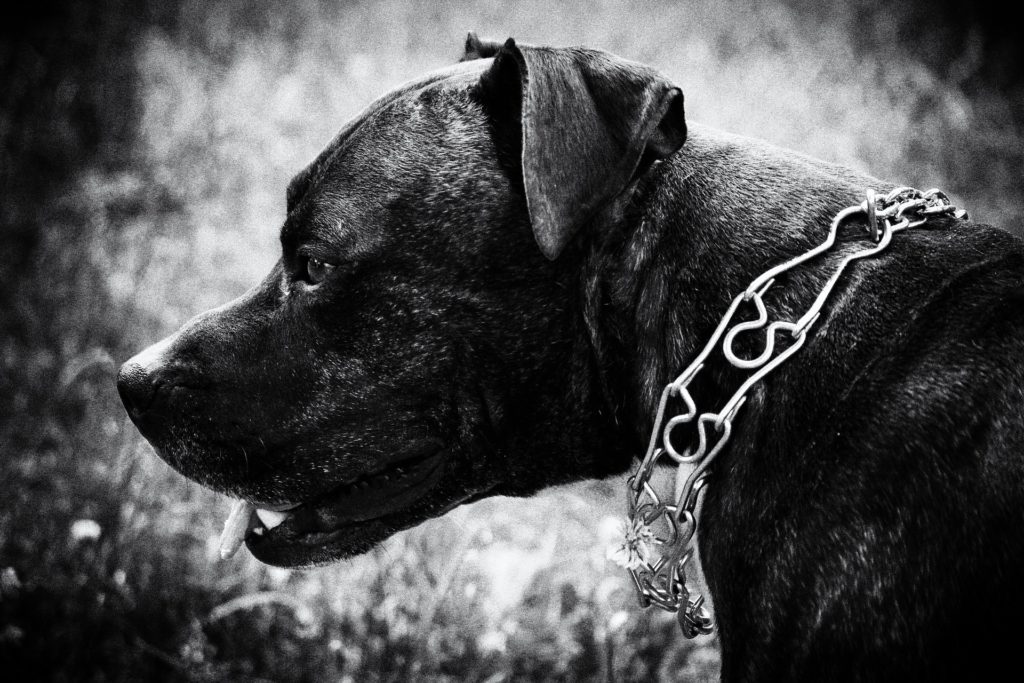
Prong collars look vicious but they don’t hurt your dog. My experience has been that my dog stops pulling immediately when walking with a leash that is attached to a prong collar. Put simply, the dog immediately stops pulling so the prongs don’t dig in often or not very deep.
That said, you should never have a prong collar on your dog unless you are watching carefully. You don’t want your pup to catch the collar on something and hurt himself inadvertently.
Shock-vibration Collars
Shock collars normally come with vibrators and perhaps a tone as well. You can start using the tone or vibration. The way you use them is similar to how you would use a clicker. ALWAYS START BY SETTING THE SHOCK TO A LOW SETTING. There is no need to torture your pup. The whole idea of using a shock collar is to provide an alert to your dog that will get his attention. It should not to be used as punishment.
There are many books on training with this kind of collar, and the methods are about as numerous as the book. One way I’ve seen work well is to use the tone when you want to tell your dog he did good, the vibrate to stop most bad behavior, and the shock at the lowest setting he’ll feel when he’s really being trouble.
Regular Harness
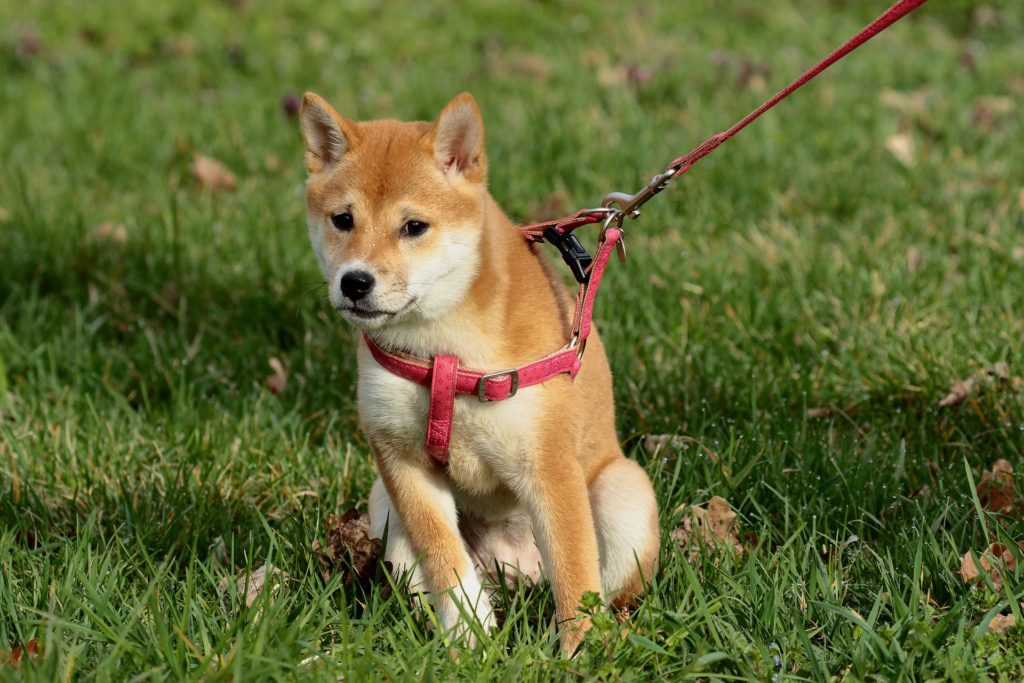
A standard harness usually has it’s pull loop on top. It works as an impediment to pulling better than a standard leash, and for many dogs this does a good job to control your pup. However, some dogs do require a stronger solution.
The regular harness is very easy to put on while the Easy Walk harness feels a bit weird to put on properly, so a lot of folks don’t like that.
Easy Walk Harness
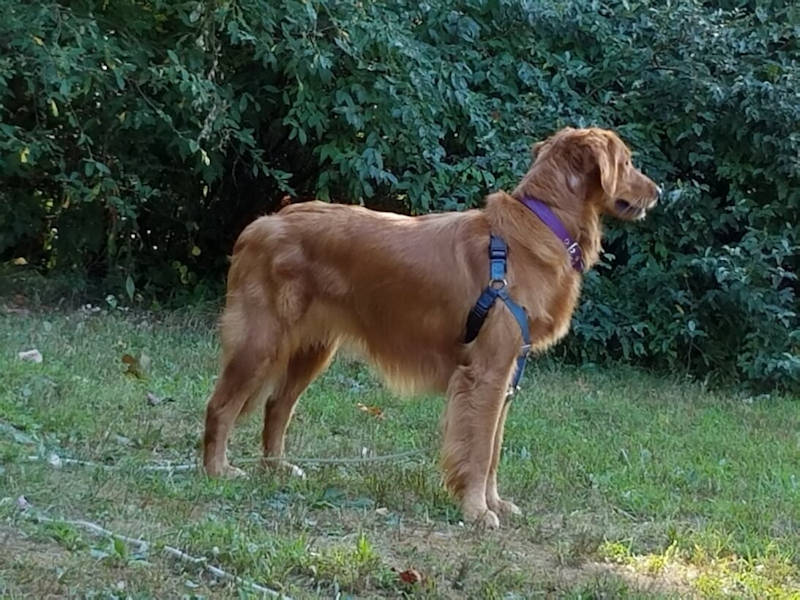
One of the best purchases I made for my pup was an easy walk harness. There are a number of styles, all of which work quite well.
The one I bought has made my life much easier with my dogs for many years. They are not expensive and come with complete instructions.
In the picture above you see the leash connector is at the lower chest. Now, when the dog pulls he is forced to one side which pushes him in a direction he does not want to go. To walk straight he has to stop pulling. These harnesses are call “Easy Walk”. Here are a number of harnesses that are high quality.
Summary of the Review of Dog Collars
The collars that I found to be most effective in my analysis are the regular collar, the easy walk harness, and the training collar with shock, vibration, and tone. I use them for different purposes and have used all three together when the purposes overlap.
The regular collar is mostly used to provide information via the license tag, ID tag, and a quick way to hook your pup up to a leash quickly. The harness is to get your pup into good leash habits quickly without extreme effort. The training collar, when used effectively, provides a way to send a message to your dog immediately to address their behavior.